
Connecting with ASEAN, Embarking on a New Journey Together—From the Jiaodong Peninsula to Bintan Island: Understanding the Global Ambitions of a Private Sector Giant.
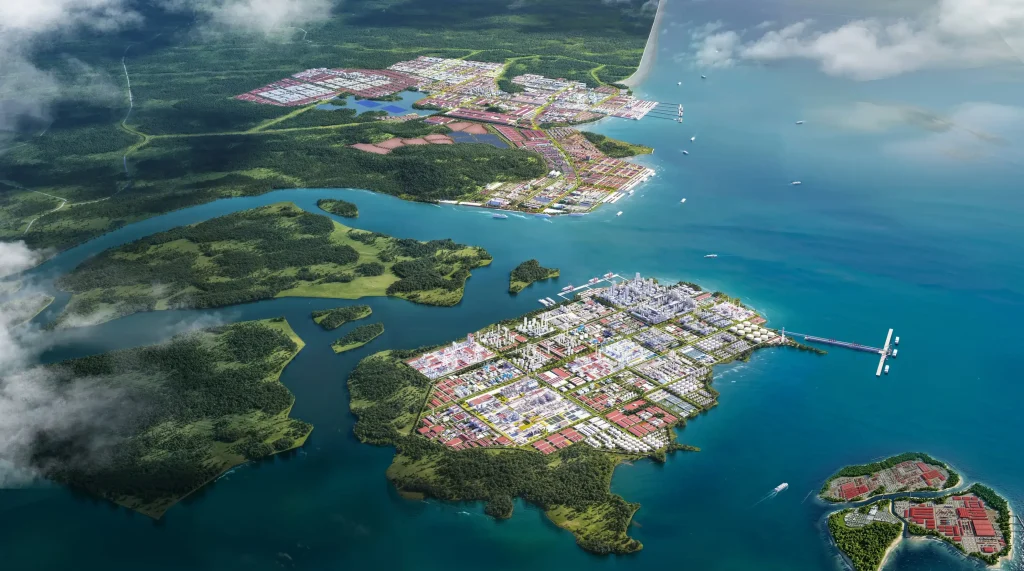
At the gracious invitation of Mr. Song Jianbo—Senior Advisor to the Singapore Zhongyuan Association and Chairman of Nanshan Group—a delegation led by Mr. Fan Ziping of the Singapore Zhongyuan Association traveled to Bintan Island in Indonesia’s Riau Islands Province. There, they visited the Galang Batang Special Economic Zone, a project invested in and developed by Nanshan Group, to conduct a site visit and exchange views. Mr. Song Jianbo extended a warm welcome to the delegation.
On the afternoon of Sunday, October 4, 2026, the delegation departed from Singapore and, after a boat journey of just about an hour, arrived at this vibrant land situated across the waters from the Lion City. Once a desolate island, it is now home to a multitude of ports and sprawling factory complexes, with a modern industrial city rising rapidly from the ground. To truly understand the transformation of this island, one must first look at the enterprise behind it.
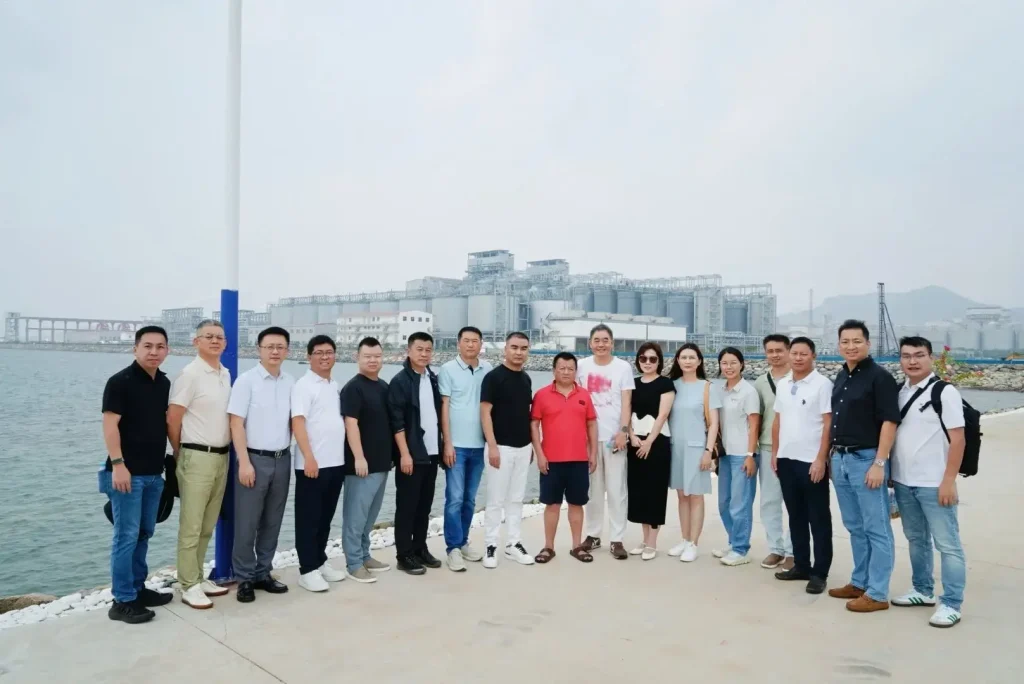
▲ The delegation led by the President of the Singapore Zhongyuan Association poses for a photo at the Kalang-Batang Special Economic Zone wharf.
Revenue of 280 billion yuan; ranked 23rd among private enterprises.
Founded in the early days of China's reform and opening-up, Nanshan Group began as a small village-run factory in Longkou, Shandong Province. Through more than forty years of arduous effort, it has developed into a large-scale private joint-stock enterprise group that consistently ranks among the top tier of China's Top 500 Enterprises.
In the latest list of China's Top 500 Private Enterprises released by the All-China Federation of Industry and Commerce on September 22, 2026, Nanshan Group ranked 23rd with an operating revenue of RMB 286.015 billion—a jump of 15 places from its 38th-place ranking the previous year. With a year-on-year revenue increase of 56.6%—an addition of over RMB 100 billion in a single year—the group ranked third among private enterprises in Shandong Province.
In terms of asset scale, as of the end of June 2025, Nanshan Group Co., Ltd. reported total consolidated assets of RMB 276.517 billion—comprising RMB 79.114 billion in fixed assets and RMB 63.758 billion in construction-in-progress—and holds a long-term corporate credit rating of AAA. The Group has a workforce of nearly 40,000 employees and has generated employment for over 47,000 people in total; over the past decade, it has paid more than RMB 40 billion in taxes to the state.
Nanshan oversees four major industrial zones—Nanshan Industrial Park, Donghai Tourist Resort, Yulong Petrochemical Industrial Park, and Qimu Island Port-side Industrial Park. Headquartered in Longkou, the company maintains branches or offices in cities such as Beijing, Shanghai, Shenzhen, and Hong Kong, as well as overseas operations in the United States, Australia, Italy, Germany, Singapore, and Indonesia, establishing a development footprint that spans the nation and reaches across the globe.
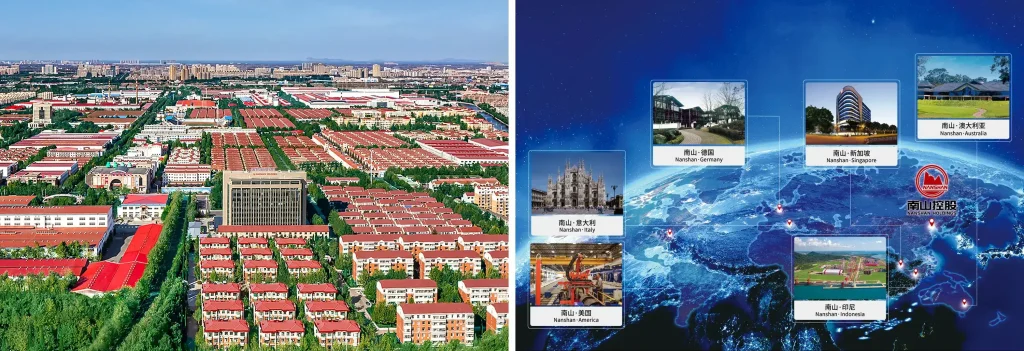
▲ Left: Panoramic view of Nanshan, Longkou, Shandong; Right: Nanshan’s global footprint (Image source: Nanshan Group)
Five listed companies form a capital matrix.
In the capital markets, Nanshan has established a matrix of listed companies spanning Shanghai, Shenzhen, and Hong Kong, comprising a total of five listed companies, including:
Nanshan Aluminum (600219.SH): Listed on the Shanghai Stock Exchange in 1999, the company possesses the world's only short-distance aluminum industry chain that fully integrates—within a single region—thermal power generation, alumina production, electrolytic aluminum, melting and casting, profiles, hot rolling, cold rolling, foil rolling, forging, and scrap aluminum recycling; its products are widely used in high-end sectors such as aerospace, lightweight automotive manufacturing, rail transportation, and shipbuilding.
Nanshan Aluminum International (02610.HK): Listed on the Main Board of the Hong Kong Stock Exchange in March 2025, the company serves as the overseas development platform for Nanshan Aluminum. It operates an alumina project in Bintan, Indonesia, with an annual capacity of 4 million tonnes, making it one of the largest alumina producers in Southeast Asia—and its primary operational base is precisely Bintan Island, where the visiting delegation arrived.
Nanshan Zhishang (300918.SZ): Listed on the ChiNext board of the Shenzhen Stock Exchange in 2020, the company is a national-level "Single Champion" in manufacturing and a national high-tech enterprise. It is one of the few large-scale global production bases for worsted compact-spun fabrics and owns two "China Famous Trademarks": "Nanshan" and "Di'erma."
Hengtong Shares (603223.SH) is the first A-listed road transport enterprise in China and a 5A-rated modern logistics company. With a core business model integrating "logistics, the Internet, and clean energy," it manages logistics and port operations at the industrial park in Indonesia.
Union International Education Leasing (01563.HK): Listed on the Main Board of the Hong Kong Stock Exchange in March 2019, the company operates two financial leasing subsidiaries—Nanshan Financial Leasing (Tianjin) Co., Ltd. and Union International Financial Leasing (Shenzhen) Co., Ltd.—providing financial leasing services across sectors such as aviation, healthcare, public infrastructure, aluminum, petrochemicals, and shipping. In 2022, it completed the acquisition of a 70% equity interest in Yantai Nanshan University, establishing a dual-business model comprising "financial leasing" and "private higher education."
In May 2026, Nanshan’s various listed subsidiaries jointly hosted an investor site visit at the Galang Batang Industrial Park, attracting over forty institutional investors from both home and abroad. The footprint of "Overseas Nanshan" is becoming increasingly clear, and the focal point of this map is Bintan Island.
Pursuing diversified business operations and a full industry chain layout.
After more than forty years of development, Nanshan has established a diversified industrial structure led by sectors such as aluminum, textiles and apparel, petrochemicals, logistics, real estate, finance, education, technology, tourism, and health and wellness.
The aluminum industry forms the foundation of Nanshan. Committed to "innovation-driven development, high-end manufacturing, and precision deep processing," Nanshan Aluminum continuously advances the R&D, certification, and domestic production of high-end aluminum materials for sectors such as aviation and automotive manufacturing, with numerous products filling gaps in the domestic market.
The petrochemical sector marks a new starting point for Nanshan’s "second entrepreneurial venture." Located in the Shandong Yulong Petrochemical Industrial Park, the Yulong Island integrated refining and chemical project has a planned annual capacity of 40 million tonnes; its first phase comprises 20 million tonnes of refining capacity and 3 million tonnes of ethylene capacity. With an approved total investment of 108.9 billion yuan, the project stands as a landmark initiative in Shandong Province’s transition from old to new growth drivers. Operations began in stages starting in September 2024, and with the petrochemical segment’s revenue projected to reach 82.3 billion yuan in 2025, the project serves as a powerful engine driving exponential revenue growth for Nanshan.
In the textile and apparel sector, Nanshan Zhishang possesses a complete industrial chain spanning from wool to finished garments and is actively developing new materials such as ultra-high molecular weight polyethylene (UHMWPE) fibers and high-performance nylon; the company was also deeply involved in the design and production of the leaders' attire for the 2014 APEC summit and the outfits for the Beijing 2022 Winter Olympics bid delegation.
In addition, Nanshan Finance encompasses sectors such as finance companies, commercial banking, securities, financial leasing, and funds; Nanshan Education has established a comprehensive system spanning from kindergarten to university, featuring Yantai Nanshan University—a full-time undergraduate institution approved by the Ministry of Education; Nanshan Tourism owns renowned cultural and tourism brands, including the Nanshan Grand Buddha and the Nanshan International Conference Center; and Nanshan Health & Wellness has developed a range of facilities, such as the Wellness Valley, a university for the elderly, and health and wellness centers.
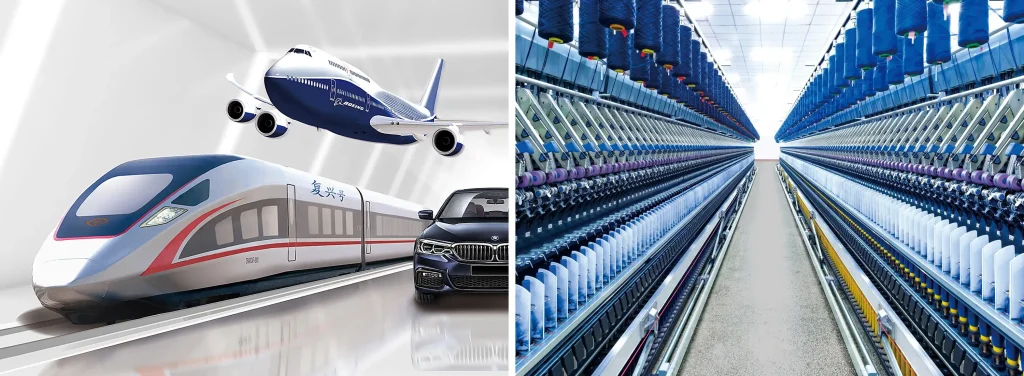
▲ Left: Nanshan Aluminum products used in sectors such as aviation, rail transit, and automotive manufacturing (illustrative image) Right: Nanshan Zhishang textile workshop (Image source: Nanshan Group)
Technology as wings, responsibility as the foundation.
Nanshan consistently regards technological innovation as the core driving force behind high-quality development. Nanshan Aluminum operates a national-level enterprise technology center, a national engineering technology research center for aluminum alloy pressure processing, and a national-level postdoctoral research station; it has secured over 170 authorized patents and participated in the formulation of more than 180 national and industry standards. The Nanshan Institute of Science and Technology comprises several research institutes—covering fields such as non-ferrous metals, new textile materials, chemicals, and the health industry—with numerous achievements reaching internationally leading or advanced levels.
While expanding and strengthening its operations, Nanshan has remained committed to giving back to society. It has led local residents through a transformation—turning rural areas into urban ones and enabling farmers and villagers to become industrial workers and city dwellers. The company donated 8 million yuan following the Wenchuan earthquake and 10 million yuan during the COVID-19 pandemic. Nanshan has received numerous honors, including "National Civilized Village," "National Advanced Primary-level Party Organization," and "Meritorious Enterprise of Shandong Province (30 Years of Reform and Opening-up)."
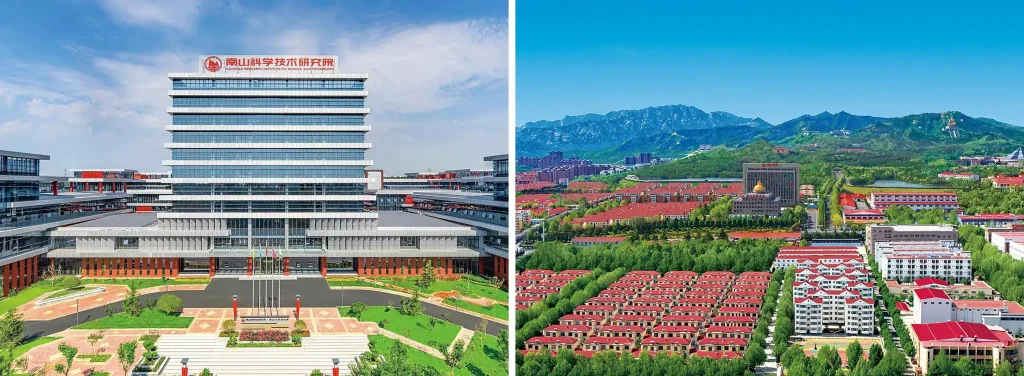
▲ Left: Nanshan Science and Technology Research Institute; Right: "Rural areas transforming into cities, farmers into industrial workers, and villagers into urban residents"—Nanshan Today (Image source: Nanshan Group)
"Integration, optimization, innovation, enhancement, and development"—this ten-character guiding principle is leading the people of Nanshan to "look to the world, establish a global presence, build a century-old Nanshan, and forge a brand that endures for a century."
A one-hour journey across the sea to Kalambatung.
Having gained an understanding of Nanshan, the delegation returned to the primary destination of the trip: Bintan Island. Upon their arrival, Wang Guozheng, Deputy General Manager of the Galang Batang Special Economic Zone management company, personally boarded the vehicle to welcome the group. He accompanied them throughout the visit, providing commentary as they drove deep into the zone to inspect the alumina plant, the deep-water terminal, and the self-constructed reservoir.
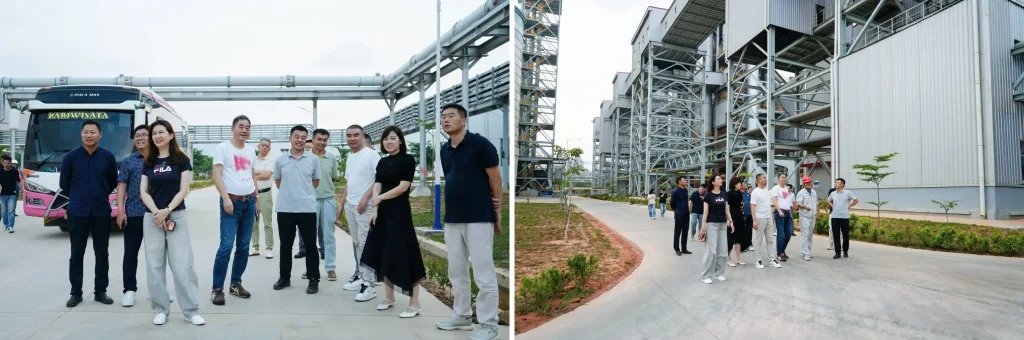
▲ Left: The delegation listens to a briefing at the Special Zone plant site. Right: The delegation inspects the alumina plant site.
The land before us represents the most significant move in Nanshan’s "global layout" strategy: the Karangbatang Special Economic Zone in Indonesia. The listed companies mentioned earlier have converged here: Nanshan Aluminum International’s 4-million-ton alumina project is already operational; Nanshan Aluminum’s 2-million-ton electrolytic aluminum project is advancing; Nanshan Zhishang’s high-end garment factory is set to begin production; and Hengtong Shares is responsible for the zone’s logistics and port operations. The complete industrial chain—forged over forty years on the Jiaodong Peninsula—is now being replicated right here on the equator.
For the Singapore Zhongyuan Association, there is a special reason why this location warrants a closer look: the special economic zone is invested in, built, operated, and managed by a Singaporean company. It brings together Indonesia’s resources, population, and market with Singapore’s capital, shipping capabilities, and talent—a synergy that aligns perfectly with the strategy of many member enterprises to use Singapore as a headquarters while expanding deeply into the ASEAN region. This trip is not merely a learning journey to visit a top Chinese private enterprise; it is, more importantly, an exploratory mission to pave the way for member companies to enter the ASEAN market.
The following promotional video offers a quick introduction to the Karangbatang Special Economic Zone:
▲ Video: Introduction to the Karangbatang Special Economic Zone project in Indonesia (Duration: 9 minutes 4 seconds; Source: Karangbatang Special Economic Zone)
Established in 2017—authorized by the Indonesian Parliament and approved via presidential decree—this Special Economic Zone is Indonesia's twelfth national-level SEZ and the first to focus on modern manufacturing as a tax-free zone.
The Indonesian government attaches great importance to the development of the Special Economic Zone. On January 25, 2022, then-President Joko personally visited the zone to inspect operations and see off the first shipment of metallurgical-grade alumina for export that year, expressing admiration for the zone's rapid development; in July 2025, President Prabowo received a dedicated briefing on the zone's progress.
The Special Economic Zone (SEZ) enjoys a prime geographical location. Situated in the southeastern part of Bintan Island within the Riau Islands Province, it lies just over 40 kilometers—or a one-hour boat ride—across the sea from Singapore and is a 30-minute drive from Tanjung Pinang Airport. Positioned at the strategic maritime crossroads of the Straits of Malacca and the South China Sea, it serves as a golden gateway connecting Indonesia and Singapore while extending its reach to ASEAN and global markets. The region boasts a pleasant climate with an average annual temperature of 26°C and is free from natural disasters such as typhoons, tsunamis, and earthquakes; it is also characterized by a welcoming local culture and a friendly social environment. The zone’s development has received high-level attention from the Indonesian government. On January 25, 2022, then-President Joko Widodo visited the SEZ to inspect operations and see off the year's first shipment of metallurgical-grade alumina, expressing admiration for the zone's rapid progress; subsequently, in July 2025, President Prabowo received a dedicated briefing on the SEZ's operations.
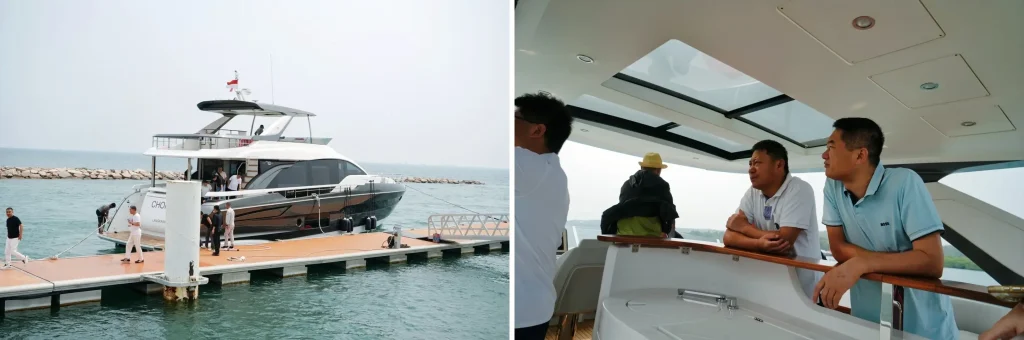
▲ Left: The delegation arrives at the Special Zone pier by yacht. Right: During the voyage, members chat while taking in the view.
There is ample room for expansion. The special zone has a planned total area of 78 square kilometers—comprising 40 square kilometers in the southeastern part of Bintan Island, 11 square kilometers on Poto Island, and 27 square kilometers on Galang Island (including Galang Kecil and Nongbin islands)—and is gradually expanding outward.
It boasts a robust hinterland. Indonesia is the world's largest archipelagic nation and the largest economy in ASEAN; with a population of 285 million—ranking fourth globally—it possesses a young and working-age demographic exceeding 155 million, abundant mineral resources, and an ample labor force. Meanwhile, as an international hub for finance, shipping, and trade, Singapore holds distinct advantages in financial capital, supply chain management, and talent acquisition. The combination of "Manufacturing in Indonesia" and "Singapore as a Hub" constitutes the special zone's unique competitive edge.
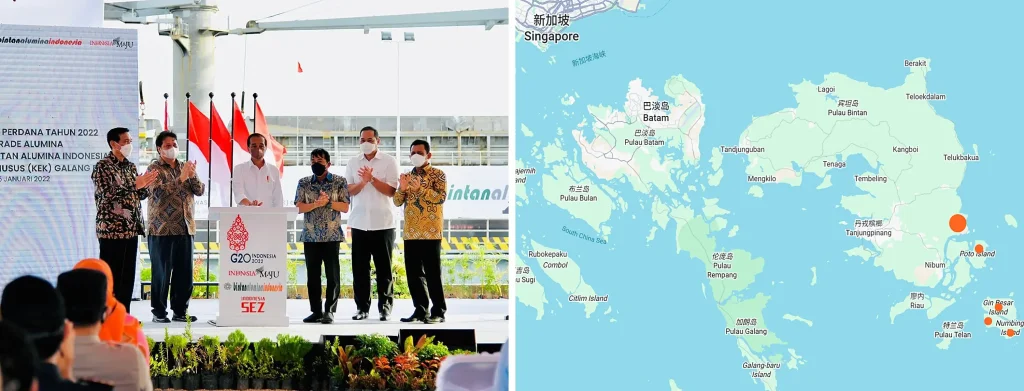
▲ Left: On January 25, 2022, then-Indonesian President Joko inspected the special economic zone and attended the ceremony marking the export of the first batch of metallurgical-grade alumina. Right: Location map of the special economic zone (Image source: Nanshan Group)
Seven major parks, ready to welcome you.
For enterprises looking to expand internationally, the Special Zone’s seven major industrial parks—which are actively seeking investment from around the world—merit particular attention. With the development of circular economy industrial parks serving as the driving force, the positioning and investment focus of each park are as follows:
High-end Aluminum Industrial Park: Leveraging an existing alumina production capacity of 4 million tons per year, the park integrates supporting projects—such as electrolytic aluminum (with a total planned capacity of 1 million tons and a first-phase capacity of 250,000 tons), carbon anodes, and caustic soda—to build a comprehensive industrial cluster spanning the entire value chain from alumina and electrolytic aluminum to downstream deep processing. Target sectors for investment attraction include downstream aluminum deep-processing industries, such as aluminum products (industrial materials and architectural profiles) and die-castings.
Petrochemical Industrial Park: Located on Boto Island, the project features a total refining capacity of 20 million tons per year. Phase I, with a capacity of 5 million tons per year, is scheduled to commence production in June 2028. Plans also include an ethane-to-ethylene project, supported by facilities for new materials such as high-end polyolefins, specialty rubbers, and high-performance fibers. Investment targets: deep processing of petroleum products and fine chemicals.
Light Industry Manufacturing Park: An intelligent, science- and technology-driven light industry park integrating manufacturing, R&D and pilot testing, business offices, and reception and exhibition facilities. The apparel zone covers an area of 18,600 square meters and is equipped with over 450 sets of advanced machinery; with an annual production capacity of 160,000 high-end suits and 300,000 work uniforms, it is set to become Indonesia's most modern high-end garment production base. Target sectors for investment attraction include fabrics, ropes and cables, and protective gear, as well as automotive parts, packaging materials, pharmaceuticals, and Halal food processing and cold-chain logistics.
Circular Economy Industrial Park: Organized into nine functional zones based on a "recovery–reuse–design–production" circular model, the park facilitates resource sharing and by-product exchange, striving for "zero emissions" of wastewater, waste gas, and pollutants. Investment focus: Comprehensive utilization and advanced processing of recycled metals.
Modern Logistics Industrial Park: Integrating intelligent warehousing, smart transportation, and big data analytics to build a maritime logistics system and land transport network oriented toward Southeast Asia and reaching the global market. Target sectors for investment attraction include deep-sea shipping, vessel leasing, and transportation equipment leasing.
Iron and Steel Smelting Industrial Park: Leveraging the deep-water shorelines and mineral resources of Dajin Island, Xiaojin Island, and Nongbin Island, the park is planned to host green and efficient projects in iron and steel smelting, shipbuilding, and ship dismantling. Target sectors for investment attraction include iron and steel smelting, downstream deep processing of steel products, ship dismantling, and shipbuilding.
Digital Manufacturing Industrial Park: Leveraging the Special Economic Zone's advantages in power and water resources, the park focuses on establishing computing power centers, digital product manufacturing, and digital service industries. Target sectors for investment attraction include digital product manufacturing and the operation of computing power center services.
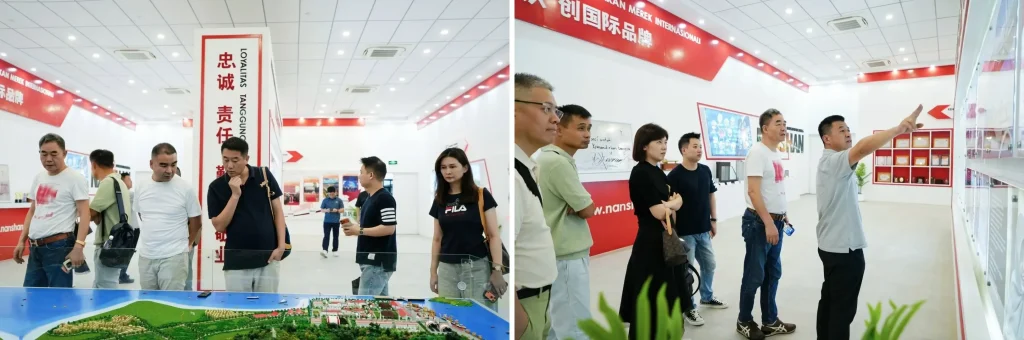
▲ Left: The delegation listens to a presentation on the master plan in front of the Special Zone exhibition hall's scale model. Right: A guide introduces the development history of the Special Zone to the delegation.
▲ Rendering of the Special Zone industrial park plan (Image source: Nanshan Group)
Strengthening basic infrastructure to solidify the foundation.
"To get rich, build roads first." The Special Economic Zone's forward-looking investment in infrastructure provides the solid foundation of confidence for investors.
Abundant power supply. The power center currently operates six combined heat and power (CHP) units with an in-house generation capacity of 160 MW. By 2026, capacity will reach 460 MW, supplemented by 25 MW of photovoltaic (PV) power. By 2030, total generation capacity will reach 7,825 MW, including 200 MW of photovoltaic capacity.
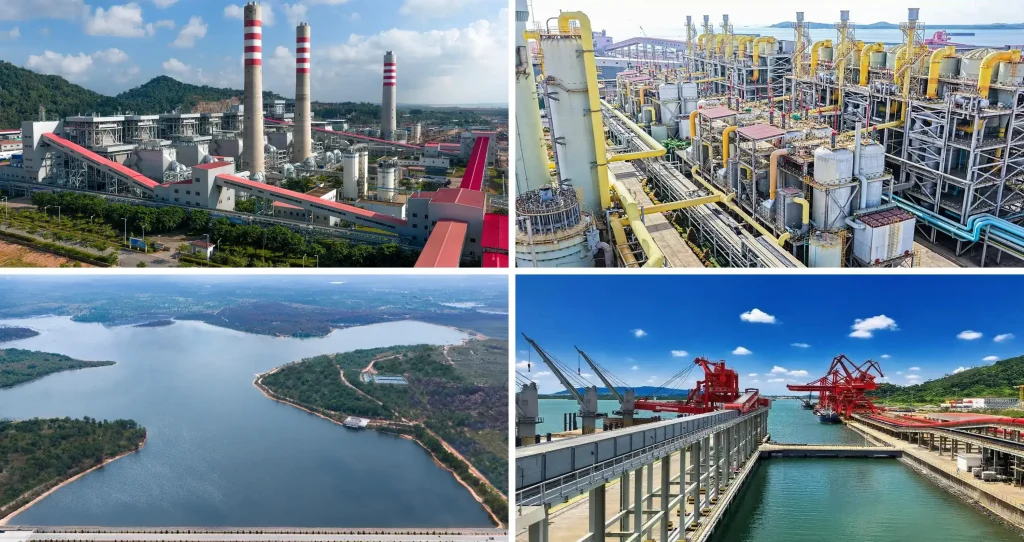
▲ Top left: Power center Top right: Coal gasification unit Bottom left: Self-built reservoir Bottom right: Special zone wharf (Image source: Nanshan Group)
Gas supply is stable. The coal-derived gas project is planned to include 12 gasifiers; 10 have already been built, providing a daily supply of 7.68 million cubic meters, with the capacity to reach 9.6 million cubic meters in the future.
The water supply is reliable. The self-constructed reservoir has an annual supply capacity exceeding 30 million cubic meters, and plans are in place to build seawater desalination projects on Poto Island and Dajin Island.
The port enjoys excellent connectivity. The Bintan Island area already features multiple berths—accommodating vessels of 70,000, 35,000, and 10,000 deadweight tonnes—designed for bulk cargo, hazardous chemicals, and roll-on/roll-off operations, with an annual throughput of approximately 27 million tonnes. Berths capable of handling vessels up to 300,000–400,000 tonnes are slated for construction on Boto Island and Dajin Island; the Special Zone targets a long-term annual throughput exceeding 80 million tonnes, with cargo capable of being shipped directly to Singapore's international logistics hub.
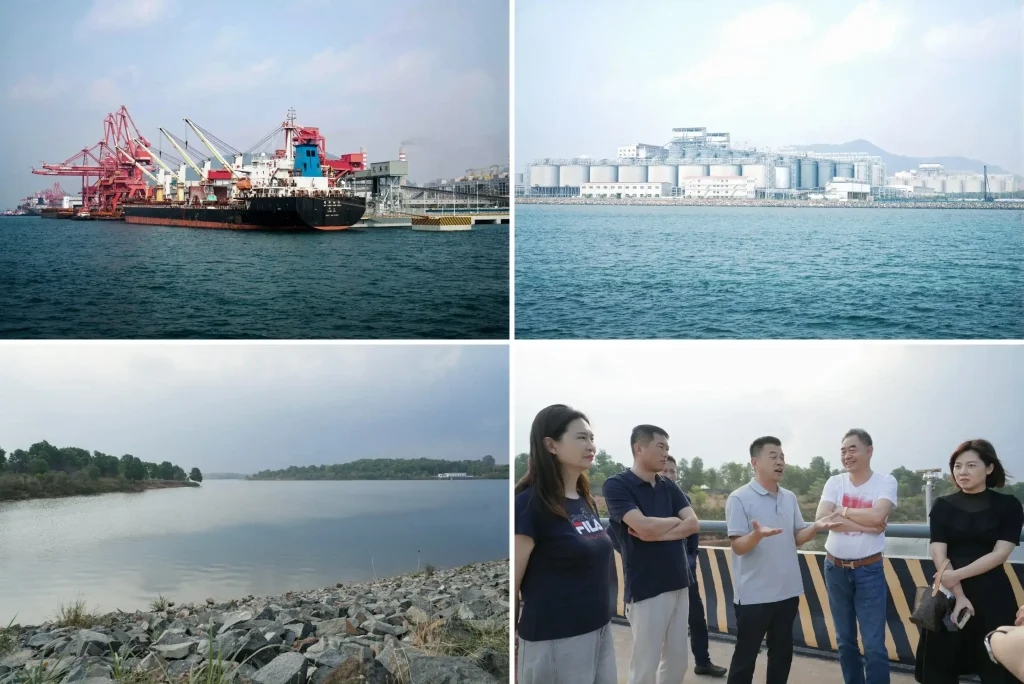
▲ Top left: Touring the Special Zone’s wharf by boat; a large bulk carrier is undergoing loading and unloading operations. Top right: A view of the Special Zone’s production facilities from the sea. Bottom left: The reservoir built by the Special Zone. Bottom right: Deputy General Manager Wang Guozheng briefing the visiting delegation by the reservoir.
The road network is extensive. The regional plan for Bintan Island features a layout of "three horizontal and five vertical" main roads, while the plan for Boto Island comprises "two horizontal and one vertical" main roads.
"Five Connections and One Leveling": The project site meets the "five connections and one leveling" standard—featuring access to water, electricity, roads, telecommunications, and drainage/sewerage systems, as well as a leveled site. Investing enterprises may purchase or lease the industrial land and independently plan and construct their factory premises and facilities.
Policy Benefits: An Overview of Tax Incentives
Its policy advantages serve as the most attractive "signature asset" of the Calamba-Batangas Special Economic Zone.
I. Corporate Income Tax: Tax exemption period of up to 20 years.
Based on the amount of corporate investment, the Special Zone grants income tax incentives in the form of a "full exemption followed by a 50% reduction"—specifically, a full exemption is enjoyed first, followed by a 50% reduction for two years after the exemption period ends.
An investment of IDR 100 billion (approximately USD 5.7 million) qualifies for a 10-year income tax exemption;
An investment of IDR 500 billion (approximately US$28.5 million) qualifies for a 15-year income tax exemption;
An investment of IDR 1 trillion (approximately US$57 million) qualifies for a 20-year income tax exemption.
(Note: USD amounts are converted at a rate of 1:17,543.86; the actual amount is subject to the exchange rate at the time of investment.)
II. Value-Added Tax (VAT) and Customs Duties: Fully exempt at both the import and sales stages.
At the import stage, the following goods are exempt from value-added tax and customs duties: machinery, equipment, and parts used for production; raw and auxiliary materials used for production; goods used for warehousing, assembly, sorting, packaging, distribution, repair, and similar purposes; and machinery, equipment, and other materials used for infrastructure construction (with the use of such imported goods restricted to the Special Zone).
At the sales stage, products from enterprises in the special economic zones are exempt from value-added tax (VAT) when exported to countries other than Indonesia, and are likewise exempt from VAT when sold to other special economic zones within Indonesia.
III. Domestic Sales Rules: A 40% Localization Rate Is Key
When products from the Special Economic Zone (SEZ) are sold within Indonesia (outside the SEZ), if the local content—primarily comprising raw material and labor costs—exceeds 40%, there is no need to retroactively pay the import-stage VAT and customs duties that were originally exempted; only the output VAT at the point of sale applies. Conversely, if the local content is below 40%, the import-stage VAT and customs duties must be paid. This means that enterprises rooted in local procurement and hiring can reap the dual benefits of exporting and accessing Indonesia’s domestic market of 285 million consumers.
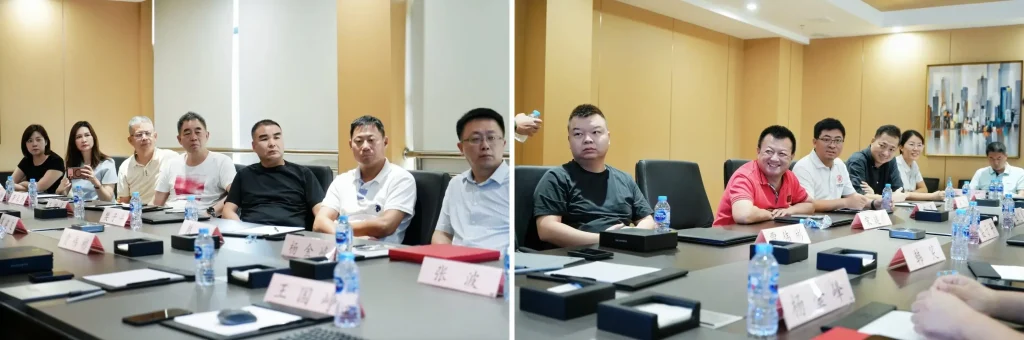
▲ Scene of the discussion meeting
Government-backed, one-stop service
In the Special Zone, investors enjoy a business environment characterized by government synergy and hassle-free business development:
On-site SAR Government Presence: The Special Economic Zone Management Board—under the Indonesian central government's Coordinating Ministry for Economic Affairs—establishes government and administrative offices within the zone to handle project approvals and procedural formalities.
Military and Police Security: The Indonesian military has specifically deployed Army units, and the Riau Islands Provincial Police has established a special zone police precinct to ensure the security and public order of the special zone.
On-site Customs: Tanjung Pinang Customs has established an office at the Special Economic Zone (SEZ) terminal, enabling efficient and convenient on-the-spot processing of import and export customs clearance.
At the same time, the Special Zone development and management company provides investors with comprehensive "one-stop" services—covering company registration, tax incentives, business permits, environmental compliance, construction permits, customs clearance, and work permits for foreign employees. By managing government relations and local affairs throughout the process, the company ensures that enterprises can complete all necessary procedures without ever having to leave the special zone.
Integrating industry and city to build a happy home together.
The Special Zone plans and develops residential communities and comprehensive service facilities—including living areas, hotels, commercial districts, stadiums, vocational and technical colleges, and hospitals—in accordance with Singaporean standards, striving to build a modern industrial new city that prioritizes ecology and integrates industry with urban living.
The Special Zone remains committed to local integration and shared prosperity: it has funded the construction of a comprehensive K-12 school and provides free school bus services and nutritious lunches; invested in a public-service hospital; partnered with the Bintan Regency Labor Office to regularly host job fairs that prioritize hiring local residents; conducts outreach visits to villages, nursing homes, and orphanages during major holidays such as Eid al-Fitr; and is fully equipped with world-class environmental protection facilities, including systems for desulfurization, denitrification, and wastewater treatment.
According to Indonesian media reports, the Special Economic Zone had generated approximately 5,000 jobs—primarily for local residents—by the first quarter of 2026, with a future target of reaching 20,000; meanwhile, the unemployment rate in Bintan Regency dropped from 8.21% in 2021 to 4.53% in 2024. A "happy home" defined by thriving industries and prosperous residents is gradually taking shape right along the equator.
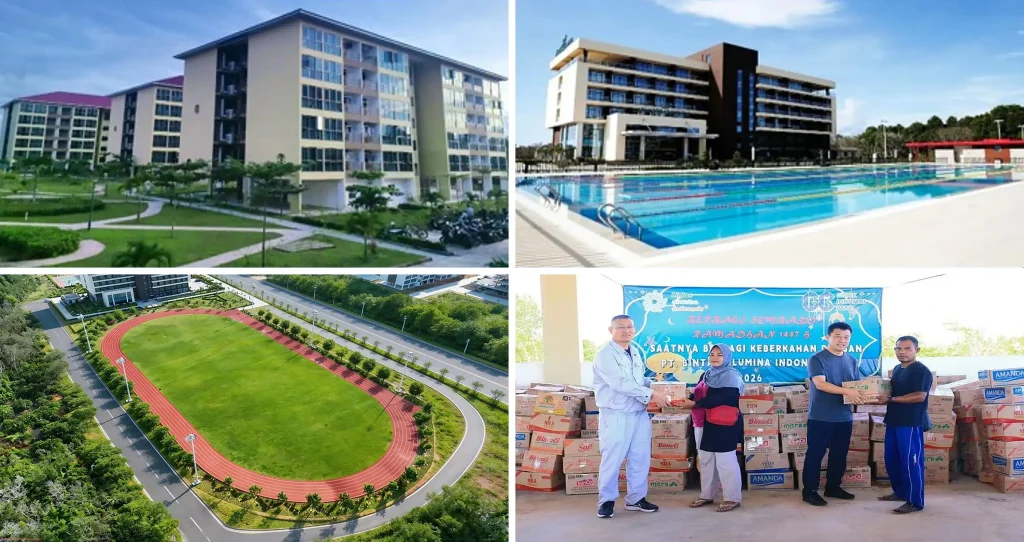
▲ Top left: Special Zone residential area; Top right: Special Zone hotel; Bottom left: Sports stadium; Bottom right: Holiday charitable outreach event (Image source: Nanshan Group)
Engaging in dialogue and discussing cooperation
Following the tour, the two sides held a discussion meeting. Wang Guozheng, Deputy General Manager of the Calangbatang Special Economic Zone Management Company, extended a warm welcome to the visiting delegation from the Singapore Central Plains Association. He provided a detailed overview of Nanshan Group’s development history and industrial footprint, as well as the construction progress and investment promotion policies of the Calangbatang Special Economic Zone. He also sincerely invited member enterprises of the Association to visit the zone to explore investment opportunities and pursue shared development.
Mr. Wang Jiancheng, Advisor to the Singapore Zhongyuan Association and Chairman of Shanxi Ronghua Group Co., Ltd., expressed his sincere gratitude to Chairman Song Jianbo for the gracious invitation and the thoughtful hospitality extended by Nanshan Group. He noted that Nanshan Group’s growth from a village-run enterprise into a leading Chinese private enterprise with annual revenue approaching 300 billion yuan serves as a microcosm of the development of China’s private economy. He further highlighted that the Karangbatang Special Economic Zone—situated just across the water from Singapore and boasting distinct policy advantages and comprehensive infrastructure—offers a valuable platform for Chinese enterprises to expand into the ASEAN market using Singapore as a strategic hub. The Singapore Zhongyuan Association is committed to acting as a bridge, facilitating in-depth exchanges and practical cooperation between its member enterprises, Nanshan Group, and the special economic zone.
At the symposium, Yang Jinfeng, Honorary President of the Singapore Central Plains Association, presented a commemorative gift to Deputy General Manager Wang Guozheng on behalf of the association.
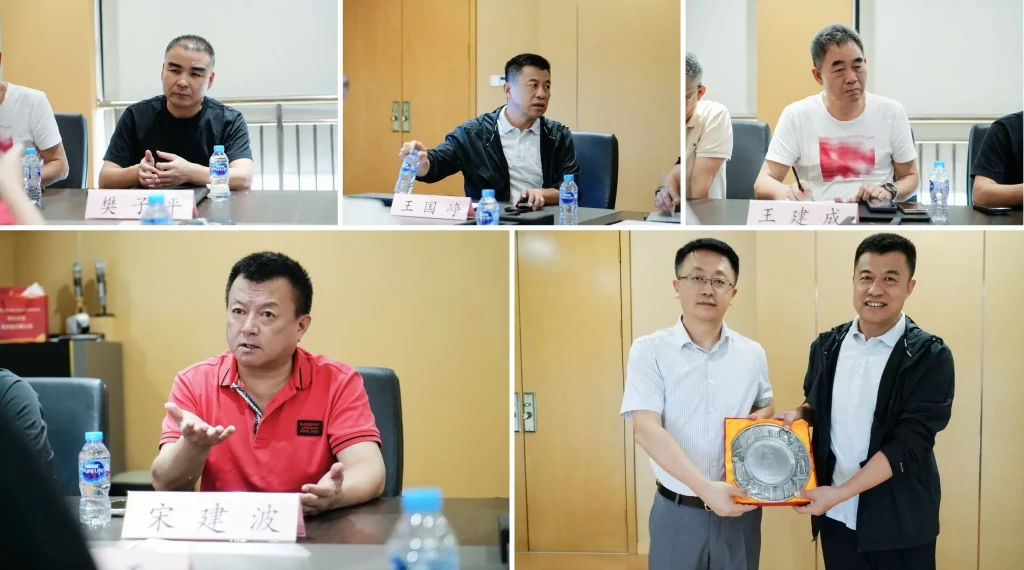
▲ Top row, from left: Mr. Fan Ziping of the Singapore Zhongyuan Association; Mr. Wang Guozheng, Deputy General Manager of the Calamba-Batangas Special Economic Zone Management Company, delivering remarks; Mr. Wang Jiancheng, Advisor to the Singapore Zhongyuan Association, delivering remarks. Bottom left: Mr. Song Jianbo, Chairman of Nanshan Group, delivering remarks. Bottom right: Honorary President Yang Jinfeng presenting a commemorative gift to Deputy General Manager Wang Guozheng on behalf of the Singapore Zhongyuan Association.
During the visit, Mr. Song Jianbo, Senior Advisor to the Singapore Zhongyuan Association and Chairman of Nanshan Group, hosted a banquet for the delegation. Hosts and guests gathered together to share conversation and strengthen their bonds, further deepening mutual understanding and friendship in a relaxed and pleasant atmosphere.
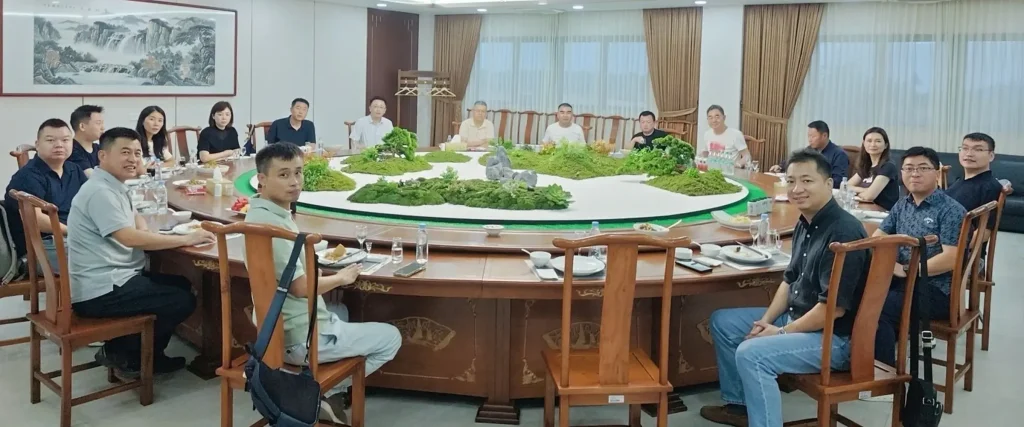
▲ Chairman Song Jianbo hosts a banquet for the visiting delegation.
Seizing Blue Ocean Opportunities, Embarking on a New Journey Together
From a small village on the Jiaodong Peninsula to an industrial giant generating 280 billion yuan in revenue and ranking among China’s top private enterprises; from an aluminum profile factory in Longkou to a modern industrial city near the equator—through over four decades of pragmatic action, Nanshan Group has embodied the "Nanshan Spirit" (which holds that empty talk leads to failure while concrete action drives success) and provided a vivid example of Chinese enterprises "going global."
The Calamba Special Economic Zone bridges the industrial prowess of "Made in China" with Singapore's status as an international hub, positioning itself to serve both the ASEAN region and global markets. This visit gave the delegation from the Zhongyuan Chamber of Commerce a firsthand appreciation of the bold spirit with which Chinese private enterprises are expanding internationally, while also opening a new window of opportunity for member companies to establish a presence in ASEAN.
The Singapore Central Plains Association has consistently dedicated itself to uniting the strength of Chinese entrepreneurs and building platforms for collaboration. Under the leadership of Mr. Fan Ziping, the Association will continue to conduct in-depth visits to outstanding enterprises, helping member companies broaden their horizons, connect with resources, and achieve a mutually beneficial future.
The visit concluded successfully in a warm and friendly atmosphere. Special thanks go to Chairman Song Jianbo for the kind invitation, to Nanshan Group and the Calangbatang Special Economic Zone for their warm hospitality, and to every member of the Zhongyuan Association for their active participation.
Connecting with ASEAN, embracing the world; tapping into blue-ocean opportunities, embarking on a new journey together.
Visitors
Wang Jiancheng, Advisor to the Singapore Zhongyuan Association and Chairman of Shanxi Ronghua Group Co., Ltd.
Han Xiao, Permanent Honorary President of the Singapore Zhongyuan Association and Chairman of New Horizon Cultural Tourism Media Co., Ltd.
Fan Ziping, Singapore Zhongyuan Association
Yang Jinfeng, Honorary President of the Singapore Zhongyuan Association and Chairman of Zhongjiu Group
Liu Hongling, Vice President of the Singapore Zhongyuan Association and Managing Director of IMI Lifestyle Products Pte Ltd
Zhang Bo, Vice President of the Singapore Zhongyuan Association and CEO of Cheng • Production Pte. Ltd.
Li Yong, Vice President of the Singapore Zhongyuan Association and Managing Director of Yongli Plumbing & Sanitation Pte. Ltd.
Chai Jie, Secretary-General of the Singapore Centaline Association and Head of the International Projects Department at FedEx
Zhao Xiaodan, Honorary Vice President and Deputy Secretary-General of the Singapore Zhongyuan Association
Guo Lijun, Honorary Vice President and Deputy Secretary-General of the Singapore Zhongyuan Association, and Managing Director of Kino Cranes Pte. Ltd.
Liang Guangbin, Honorary Vice President and Council Member, Singapore Zhongyuan Association
Zhang Lifeng, Honorary Vice President of the Singapore Zhongyuan Association, and Managing Director of Ruilong Development Pte. Ltd. and Fuhua Pte. Ltd. (General Agent for 1573 and Vintage Moutai).
Liu Wei, Honorary Vice President of the Singapore Zhongyuan Association and Vice President at J.P. Morgan Private Bank
Jia Weibin, Honorary Vice President of the Singapore Zhongyuan Association and Managing Director of Affiance Luxury
——
Produced by | Singapore Zhongyuan Association
Written by | Zhao Xiaodan, Guo Lijun, Hou Jingyu
Photography | Cheng • Production Pte. Ltd.